Auto (Personal / Commercial) Insurance
| |
Auto insurance protects you against financial loss if you have an accident. It is a contract between you and the insurance company. You agree to pay the premium and the insurance company agrees to pay your losses as defined in your policy.
Auto insurance provides property, liability and medical coverage:
Property coverage pays for damage to or theft of your car.
Liability coverage pays for your legal responsibility to others for bodily injury or property damage.
Medical coverage pays for the cost of treating injuries, rehabilitation and sometimes lost wages and funeral expenses.
An auto insurance policy is comprised of six different kinds of coverage. Most states require you to buy some, but not all, of these coverages. If you're financing a car, your lender may also have requirements.
Most auto policies are for six months to a year. Your insurance company should notify you by mail when it’s time to renew the policy and to pay your premium.
Our Auto insurance products are provided by Drive Insurance. Drive is one of the most respected names in the industry and they consistently enjoy an A+ rating.
Drive has selected specific niche markets for it's Commercial Automobile program. This allows Drive to focus on the proper claims handling, underwriting and unique service needs of these business classifications.
Relax and let us handle your claim from start to finish
Facts On Using Credit in Auto Insurance
Auto Insurance Made Easy |
Seguros de automoviles mas simples
|
What are the CLUE Claims Databases?
|
ATTENTION BAD DRIVERS
IMMEDIATE COVERAGE FOR ANY DRIVERS WITH:
- 7 points or more
- Cancelled for non-payment over 30 days
- Suspended licenses
- Immediate ID cards
- DUI No Problem
COMMERCIAL AUTO COVERAGE IS ALSO AVAILABLE WITH SPECIAL DISCOUNTS.
- Payment plans available
- Quality companies
- Additional discounts for writing contractors liability with auto
- Low down payments and immediate coverage
The companies we repesent for auto insurance:

Teenagers & Safe Cars
If your teenager has just gotten a driver's license, it may be hard to imagine handing over the keys to your brand new car, but that may be the smartest vehicle to choose.
The first years teenagers spend as drivers are very risky. In fact, teen drivers have the highest death rates of any age group. In 1997 alone, more than 5,700 teenagers died in motor vehicle crashes, and many more were left severely and permanently injured by crashes.
While getting a driver's license is an exciting rite-of-passage for teens, it can be enough to make a parent frantic. However, the Insurance Institute for Highway Safety (IIHS) and the Insurance Information Institute (I.I.I.) say there is something worried parents can do to protect their teens—choose a safe vehicle.
- Avoid vehicles that encourage reckless driving.
Teen drivers not only lack experience, but may also lack maturity. As a result, speeding and reckless driving are common.
Sports cars and other vehicles with high performance features, such as turbocharging, are likely to encourage speeding. Choosing a vehicle with a more sedate image will reduce the chances your teen will be in a speed-related crash.
- Don't let your teen drive an unstable vehicle.
Sport utility vehicles, especially the smaller ones, are inherently less stable than cars because of their higher centers of gravity. Abrupt steering maneuvers—the kind that can occur when teens are fooling around or over-correcting a driver error—can cause rollovers where a more stable car would, at worst, skid or spin out.
- Pick a vehicle that offers good crash protection.
Teenagers should drive vehicles that offer state-of-the-art protection in case they do crash.
- Don't let your teen drive a small vehicle.
Small vehicles offer much less protection in crashes than larger ones. However, this doesn't mean you should put your child in the largest vehicle you can find. Many mid- and full-size cars offer more than adequate crash protection. Check out the safety ratings for mid-size and larger cars.
- Avoid older vehicles.
Most of today's cars are better designed for crash protection than cars of six to ten years ago. For example, a newer, mid-size car with airbags would be a better choice than an older, larger car without airbags. Before you make a final choice on the car your teenager will drive, consult the U.S. Department of Transportation (http://www.dot.gov) or the Insurance Institute for Highway Safety (http://www.iihs.org).
© Insurance Information Institute, Inc. - ALL RIGHTS RESERVED -
930 Washington Street, Hoboken, New Jersey 07030 • 201-659-2403 • fax 201-659-0373
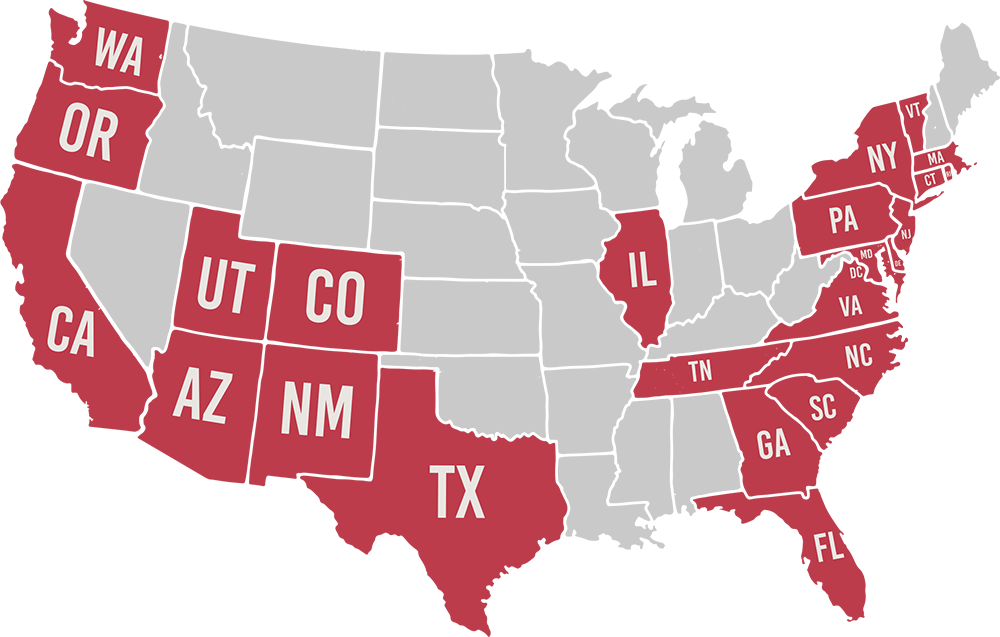
Licensed in: New Jersey, New York, PA, CT
Links | Privacy Rights, Copyrights, Disclosures and Disclaimers | © Copyright 2007